Welcome to the thirty-first blog post for TheLawyerFiles.
Thank you, as always, for subscribing and following the journeys of legal changemakers. Each edition brings you honest reflections, practical insights, and powerful stories from individuals shaping the future of law with purpose, empathy, and conviction.
✨ In this edition, we feature Daisy Doardo — a solicitor, founder of Daisy Legal, and an advocate for trauma-informed lawyering and mental health awareness within the legal profession.
From supporting families through devastating loss to building her own legal business while studying, Daisy’s journey is one of courage, compassion, and integrity. Her work stands as a reminder that law is not just about procedure, but about people — about listening, understanding, and guiding others through the most difficult moments of their lives.
In this conversation, Daisy shares how her lived experience of trauma shaped her approach to client care, what it’s like working on sensitive and high-profile cases, and why access to justice remains at the heart of everything she does. She also reflects on the lessons she learned founding Daisy Legal, the importance of entrepreneurial thinking in law, and how lawyers can protect their wellbeing while supporting others.
If you’ve ever wondered how empathy can coexist with strength in the legal profession, or how purpose can drive practice, Daisy’s story will deeply resonate.
Let’s dive in 🌸

- You’ve shared openly about overcoming personal challenges and turning your experiences into a strength. How has this shaped your approach as a solicitor?
My lived experience of psychological trauma has deeply shaped the way I practise law. Many of the people I work with have been through devastating events such as life-changing injuries or the sudden loss of someone they love. Sometimes, I’m the first person they’ve had the opportunity to tell their story to in full. That’s a responsibility I never take lightly.
Trauma affects the way we see the world and how we perceive our place in it. It can impact the way we communicate and even the way we make decisions. Because I know what it feels like not to feel listened to by professionals, to feel rushed or disbelieved, I make a conscious effort to do things differently. Whilst I need to focus on gathering the information required for the legal process, I take a trauma-aware approach and meet a person where they are at. My goal is always to guide my clients through the process with compassion, clarity and strength.

- You’ve worked on high-profile cases, including supporting families affected by the Grenfell Tower fire. What did you learn from handling cases of that scale and sensitivity?
Working on high-profile cases has opened my eyes to the level of press attention and public scrutiny that can follow a major incident.
Press attention can be very intrusive. Families have told me about journalists knocking on their doors within days of losing loved ones, and even about a drone being flown over a funeral procession to take photos. Others have found out about criminal hearings through the media before hearing from anyone within the justice system.
Then there’s social media, rife with misinformation and speculation, often written with a shocking lack of empathy. It’s easy to forget that behind every headline and comment thread are real people who are grieving and trying to rebuild their lives.

- Many of your cases involve powerful organisations. What motivates you to take on those fights, and how do you keep going when the odds feel stacked?
Everyone is supposed to be equal before the law. Equality before the law is a pillar of our democracy – it’s what upholds our rights and freedoms. But if you don’t have access to justice, how can you enforce those rights in practice? If people can’t hold powerful organisations to account, that equality becomes meaningless. Power starts to go unchecked and some begin to act as though the rules don’t apply to them.
That’s why access to justice is so important. No matter your background or beliefs, or whether you can afford a lawyer, you should be able to enforce your rights through the courts.
This is why I do what I do. I believe in access to justice, equality before the law and in the values that underpin human rights and democracy. We have to uphold these principles, because if we stop fighting for them we risk losing them.

- You founded Daisy Legal while still studying. What did that experience teach you about entrepreneurship and law?
Starting a business was one of the most rewarding things I’ve ever done. It was a steep learning curve, but an incredibly valuable one. Creating a company from scratch, building a service offering, bringing in clients, and making it profitable enough to cover my living costs and SQE exam fees was a huge challenge and one that taught me a lot about my own capabilities.
That experience has made me far more commercially aware and confident in my decision-making. It showed me how entrepreneurial skills like creativity and problem-solving are incredibly valuable in law, even if they’re not always part of your role at a junior level.
It also shaped my ambitions for the future. I love practising law but I’m equally passionate about business. Founding Daisy Legal sparked a real interest in the commercial side of law and I’d like to develop my career in a way that allows me to combine both.

- What advice would you give to aspiring solicitors who want to enter personal injury or clinical negligence law?
Personal injury law is one of the most meaningful areas of practice, but it’s also one of the most challenging. You’re often dealing with people who have experienced life-changing trauma and that requires empathy, patience and care. You are also working in an environment driven by targets and deadlines. Balancing those two worlds can be challenging. It’s important to look after yourself, maintain perspective and create boundaries that allow you to do the work well whilst taking care of your own wellbeing.
Despite the pressures, it’s incredibly rewarding work. You see the tangible difference your efforts make to real people and families every day.

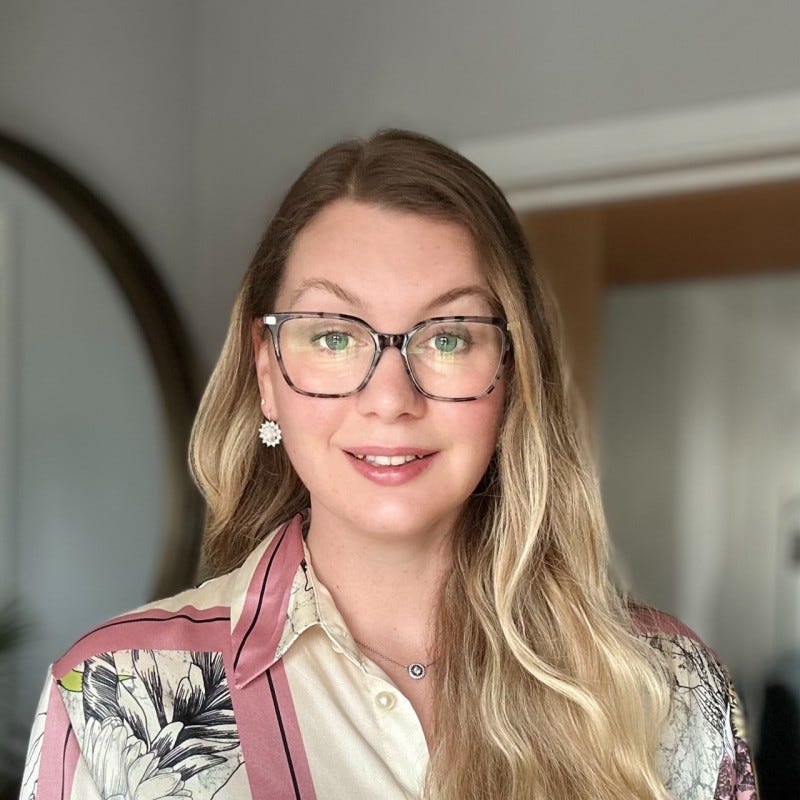
Daisy Doardo – https://www.linkedin.com/in/daisydoardo/
Serious & Fatal Injury Solicitor
I hope Daisy’s journey has inspired you — especially if you’re learning to turn personal challenges into purpose, practising empathy in your work, or finding your voice in spaces that demand both strength and sensitivity.
Her story is a reminder that compassion and conviction can coexist in law. Whether it’s guiding families through moments of loss, advocating for access to justice, or founding her own business while studying, Daisy shows that courage and care are not opposites — they’re powerful partners.
From embracing trauma-informed practice to protecting wellbeing in demanding environments, she reminds us that success in law isn’t measured only by outcomes, but by integrity, understanding, and the impact you leave on others.
🎧 Stay tuned — our podcast episode with Daisy is now live on Spotify, Apple Podcasts, Amazon Music, and Audible (TheLawyerFiles), where we talk about her lived experience, her approach to client care, and how empathy shapes true advocacy.
We also explore her thoughts on entrepreneurship, resilience, and what she would tell her younger self starting out in law.
Make sure you’re subscribed so you don’t miss future episodes.
Until next time — stay kind, stay curious, and keep leading with purpose 🌸🎙️
Denice Obeng 🙂